

Understanding Dry Skin and Dehydrated Skin for Better Skincare
When your complexion feels tight, flaky, or uncomfortable, it’s easy to assume you’re dealing with dry skin. But what if the real issue is dehydrated skin instead? Understanding the difference between dehydrated vs dry skin is crucial because they require different care. Using the wrong skincare products can make your condition worse.
In this comprehensive guide, we’ll break down everything you need to know about the key differences. By the end, you’ll know exactly how to treat your skin properly and restore a healthy, balanced glow.

What Is Dry Skin?
Dry skin is a skin type. This means it’s something you’re genetically born with, and it usually remains consistent throughout your life. Dry skin lacks oil, which means your sebaceous glands don’t produce enough natural oils to maintain a strong protective barrier. Without sufficient lipids, the skin struggles to retain moisture and defend itself against environmental stressors.
Causes of Dry Skin
Dry skin can be caused or worsened by genetics, ageing (oil production decreases over time), harsh cleansers or over-exfoliation, cold or low-humidity climates, long hot showers and certain medications. If you naturally produce less sebum, you may consistently experience dryness regardless of the season.
Signs and Symptoms of Dry Skin
Some of the most common signs and symptoms of dry skin include:
-
Flaky or scaly patches
-
Rough texture
-
Visible fine lines
-
Tightness after cleansing
-
Redness or irritation
-
Dull complexion
Unlike dehydrated skin, dry skin usually feels persistently rough rather than temporarily tight.
Skincare for Dry Skin
When it comes to skincare for dry skin, your focus should be on using replenishing oils, strengthening the skin barrier and locking in moisture. Consider following our tips below:
1. Use a Gentle, Cream-Based Cleanser
Avoid foaming cleansers that strip natural oils. Choose a low-pH, hydrating cleanser that cleans without leaving your face tight.
2. Apply a Hydrating Toner or Essence
Look for ingredients like hyaluronic acid, glycerina and panthenol. These help draw water into the skin before sealing it in.
3. Use a Barrier-Repair Moisturiser
For dry skin, the moisturisers you should use are the ones that contain ceramides, shea butter, squalane and fatty acids. These ingredients mimic your skin’s natural lipids and repair the compromised barrier.
With that being said, CLEF’s hydrating moisturiser is formulated to support skin barrier repair while delivering long-lasting comfort, ideal for those struggling with persistent dryness.
4. Add Facial Oils if Needed
A few drops of facial oil at night can help prevent transepidermal water loss, especially in air-conditioned environments.
5. Don’t Skip Sunscreen
Dry skin is more prone to sensitivity. A hydrating sunscreen protects while preventing further barrier damage. For instance, CLEF’s sunscreens are packed with antioxidants ingredients to ensure it protects against harmful UV rays while ensuring your skin is hydrated.
What Is Dehydrated Skin?
Unlike dry skin, dehydrated skin is a condition, not a skin type. Dehydrated skin lacks water, not oil. Even oily or combination skin types can experience dehydration.
This is why many people confuse dehydrated vs dry skin. You might have oily skin that still feels tight or looks dull, which is a sign of dehydration.
Causes of Dehydrated Skin
Some of the common causes of dehydrated skin include:
-
Not drinking enough water
-
Excess caffeine or alcohol
-
Air-conditioning or heating
-
Over-exfoliating
-
Using strong actives (retinol, acids)
-
Harsh foaming cleansers
-
Sun exposure
Your skin loses water when the barrier becomes compromised or when the environment pulls moisture out of it.
Signs and Symptoms of Dehydrated Skin
Dehydrated skin often shows several signs and symptoms such as:
-
Tightness even when oily
-
Dull or tired appearance
-
Increased sensitivity
-
Fine lines that disappear after moisturising
-
Makeup looking patchy
-
Darker under-eye shadows
A quick test: Gently pinch your cheek. If it wrinkles easily and doesn’t bounce back quickly, your skin may be dehydrated.
Skincare for Dehydrated Skin
When it comes to skincare for dehydrated skin, your priority is restoring water levels and preventing further moisture loss.
1. Switch to a Hydrating Cleanser
Avoid stripping formulas. Use a mild cleanser that maintains the skin barrier.
2. Layer Hydrating Ingredients
Look for hydrating ingredients such as hyaluronic acid, polyglutamic acid, aloe vera and beta-glucan. These humectants attract and retain water in the skin.
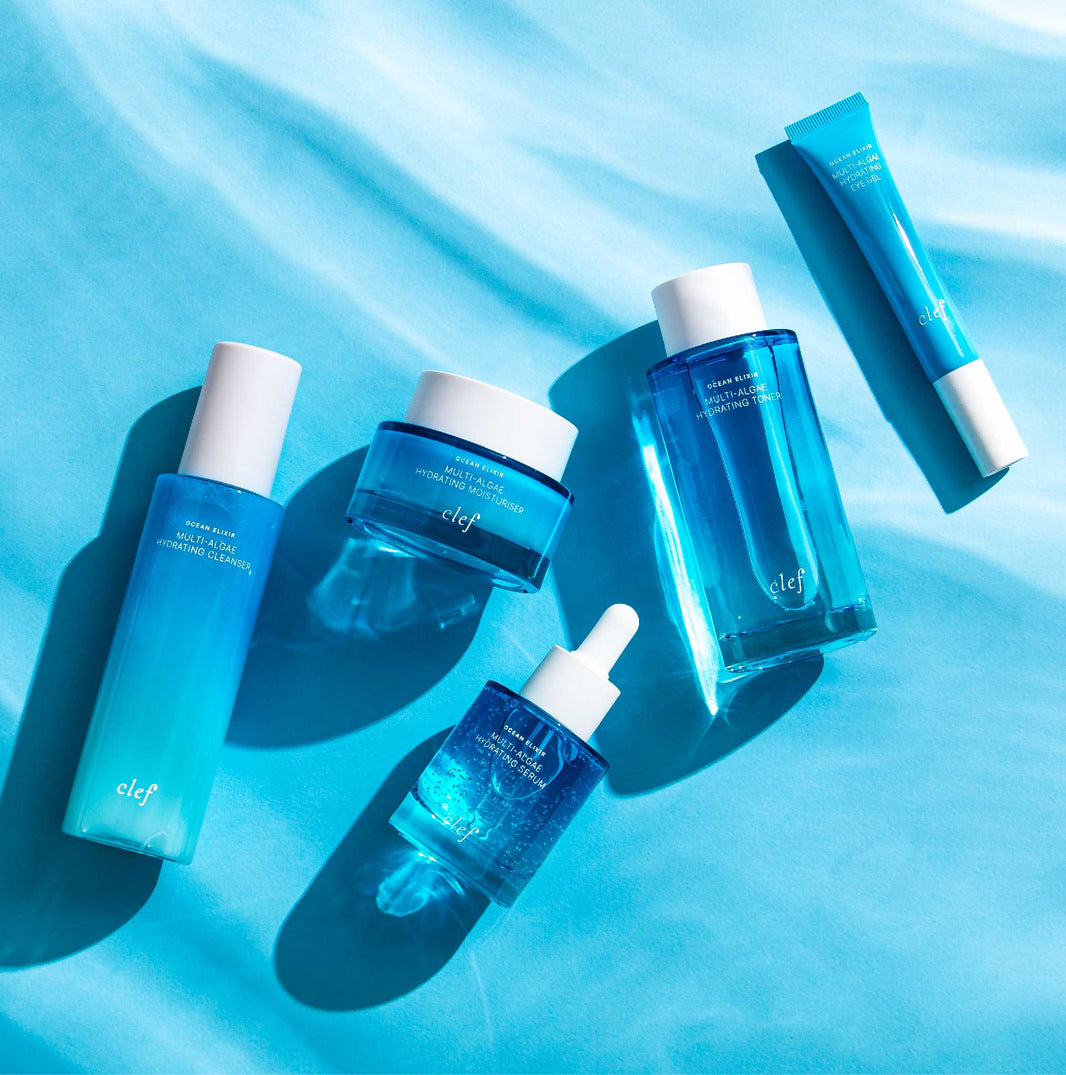
CLEF hydrating skincare products are formulated to deliver lightweight but intensive hydration, perfect for replenishing dehydrated skin without clogging pores.
3. Seal with a Lightweight Moisturiser
Even oily skin needs moisturiser. This is especially important if you have dehydrated skin. Choose gel-cream textures if you’re acne-prone.
4. Reduce Over-Exfoliation
Too much exfoliation damages your barrier, worsening dehydration. Avoid using face scrubs or exfoliation masks as it will make your skin lose moisture.
5. Use Hydrating Masks Weekly
Sheet masks or sleeping masks can help quickly revive dehydrated skin. You can apply them overnight or leave them on for a few minutes before taking them off.

Key Differences Between Dry and Dehydrated Skin
Understanding dehydrated vs dry skin starts with knowing what your skin is actually lacking. Dry skin lacks oil, while dehydrated skin lacks water. This core difference affects how your skin looks, feels, and responds to products.
1. Oil Deficiency vs Water Deficiency
Dry skin is a skin type caused by low sebum production. Because your skin does not produce enough natural oils, it struggles to maintain a strong protective barrier. This often results in flaking, rough texture, and persistent tightness.
In contrast, dehydrated skin is a condition caused by insufficient water content in the skin. Even oily or combination skin types can experience dehydration, which is why it’s common to confuse dehydrated vs dry skin.
2. Long-Term vs Temporary
Dry skin is usually long-term and genetically influenced. While seasons may affect its severity, it remains relatively consistent throughout life. Dehydrated skin, however, is temporary and often triggered by factors like air-conditioning, harsh skincare, lack of water intake, or over-exfoliation. With proper skincare for dehydrated skin, hydration levels can improve within weeks.
3. How It Looks and Feels
Dry skin typically feels rough and may show visible flakes or redness. Heavy creams and facial oils usually bring relief because they replenish missing lipids. Dehydrated skin often feels tight but may still appear shiny.
You might notice dullness or fine lines that soften after applying hydrating products. Lightweight hydrating serums work better here, followed by a moisturiser to seal in water.
How to Build a Skincare Routine for Dry and Dehydrated r Skin
If you’re dealing with dry skin, dehydrated skin, or both, building a proper routine makes all the difference. Follow the guide below:
Step 1: Gentle Cleanse
Morning and night, use a non-stripping cleanser.
For dry skin, use a creamy, lipid-rich formula
For dehydrated skin, use a mild hydrating gel cleanser
Step 2: Hydration Layer
Apply toner or essence immediately after cleansing to prevent water loss.
Step 3: Targeted Serum
For dry skin, use barrier-repair serum with ceramides
For dehydrated skin, use hyaluronic acid serum
Step 4: Moisturise Properly
Moisturiser is non-negotiable. Dry skin should get thick cream while dehydrated skin should use gel-cream or lightweight lotion.
Step 5: Sun Protection
Daily sunscreen protects your skin barrier and prevents further moisture depletion.
Step 6: Weekly Treatment
If you have dry skin, apply a nourishing mask weekly. For dehydrated skin, use a hydrating sheet mask. Consistency is key. Skin barrier repair takes time, especially if your dryness or dehydration has been ongoing for months.
Conclusion
The confusion around dehydrated vs dry skin is common, but now you know the difference. Using the right skincare for dry skin or the right skincare for dehydrated skin ensures your barrier stays strong, resilient, and glowing.
If you’ve been layering heavy creams but still feel tightness, your issue might be dehydration. If lightweight gels aren’t helping flakes, you may have true dryness. Ready to give your skin what it truly needs? Explore hydrating and nourishing skincare products at CLEF Beauty today! We have products specially curated for all skin types.